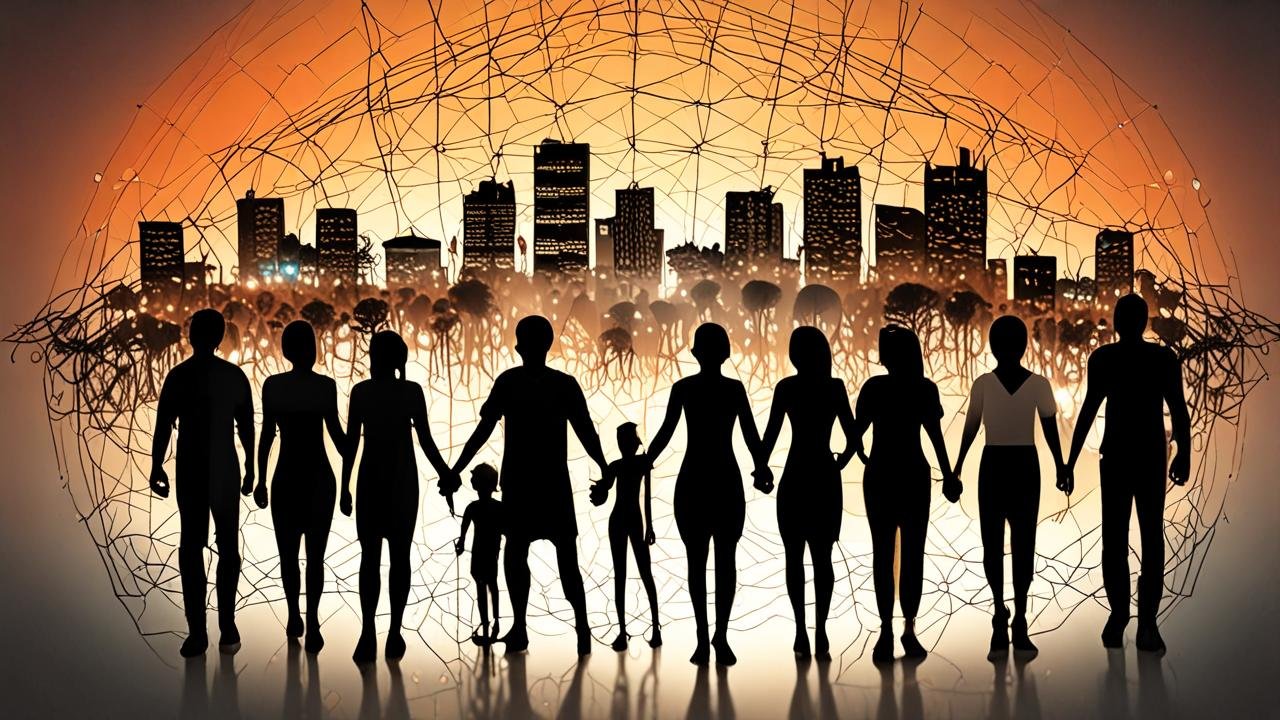
Why we actually pull together when everything falls apart
Turns out, humans aren't just built for survival—we're hardwired to stop being jerks the second a catastrophe hits.
It’s wild. Researchers have spent decades looking at what happens to us after massive disasters, and the data actually contradicts the doom-scrolling narrative. Whether it was the aftermath of 9/11 or Hurricane Katrina, the initial human instinct isn't to crumble or fight—it's to reach out and help total strangers.
Data shows that divorce rates actually dipped after the 9/11 attacks, and people didn't just donate blood; they volunteered in droves. Even after the Deepwater Horizon oil spill or the Maui wildfires, the recurring theme wasn't just individual survival. It was a shared commitment to fixing the neighborhood. Of course, this doesn't mean we don't need real help—without actual resources, communities can definitely turn toxic. But the impulse to connect is already there, just waiting for a reason to surface.
Disasters don't create our capacity for community, they just force us to stop ignoring that we already have it.
Source: The Conversation
Comments
This is where the magic happens: AI reads your discussion and rewrites the article based on the most interesting comments. Each strong comment adds points to the meter below. Once the meter is full, the article updates live — no page reload needed.