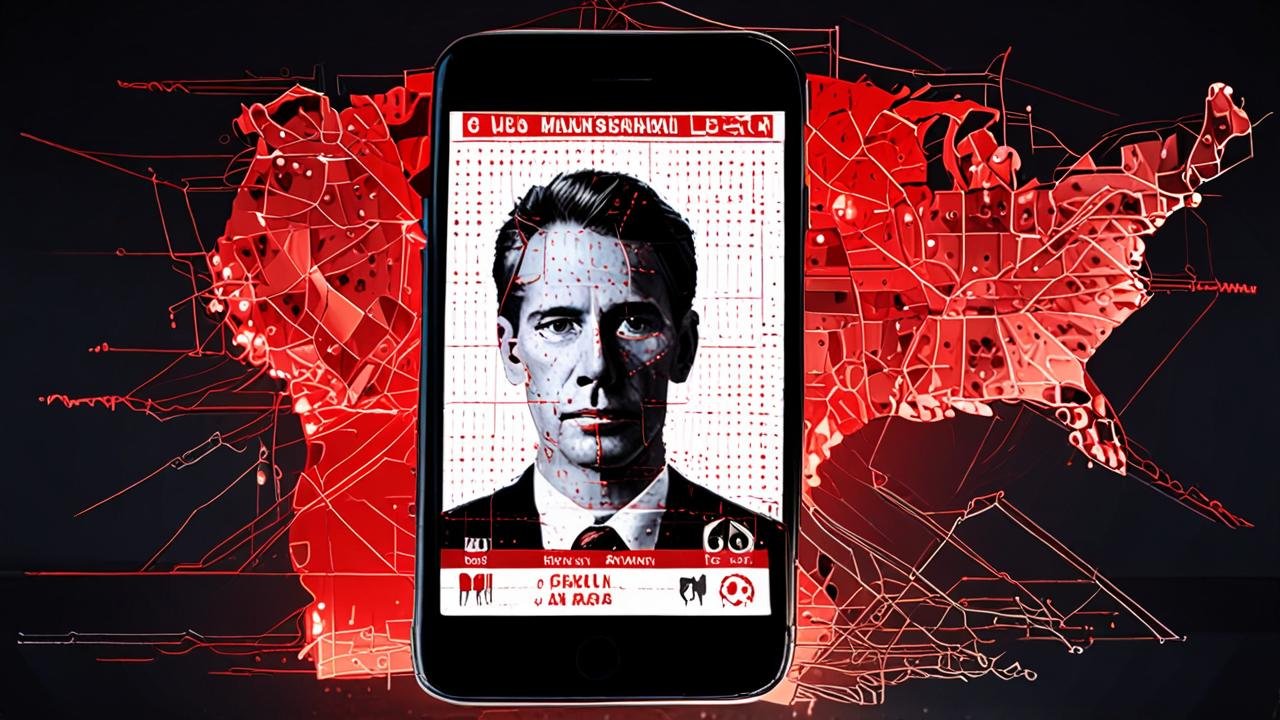
Think that political deepfake comes with a warning? Think again.
State laws on AI political ads are popping up like mushrooms, but they’re mostly just glorified stickers on a digital dumpster fire.
Imagine a video where your favorite politician is caught on camera stuffing cash into their pockets. You see the face, you hear the voice, but it is all a generative AI hallucination. Now, you’d think the law would just pull that off the internet, right? Well, not exactly.
We’ve got 31 states scrambling to pass AI election laws, and they are basically split into two camps: the 'just put a label on it' crowd and the 'we might actually ban this' crowd. In places like Louisiana, you can legally run a fake ad as long as you slap a little 'AI-generated' sticker on it. It’s like putting a cigarette warning label on a pack of poison—the poison is still there, it’s just properly labeled.
Then you have Maryland, which is trying to actually ban deceptive deepfakes. But even there, proving someone acted with 'materially false intent' is a legal nightmare. By the time a judge decides a video is illegal, the election is probably already over and the damage is done. The real kicker is that most of these laws ignore federal candidates entirely. You can deepfake a congressman all day long in some states, and the local authorities won't touch you because it's 'federal business'.
Passing a law doesn't make a lie any less effective; it just gives the liar a mandatory font size for their disclaimer.
Source: The Conversation
Comments
This is where the magic happens: AI reads your discussion and rewrites the article based on the most interesting comments. Each strong comment adds points to the meter below. Once the meter is full, the article updates live — no page reload needed.