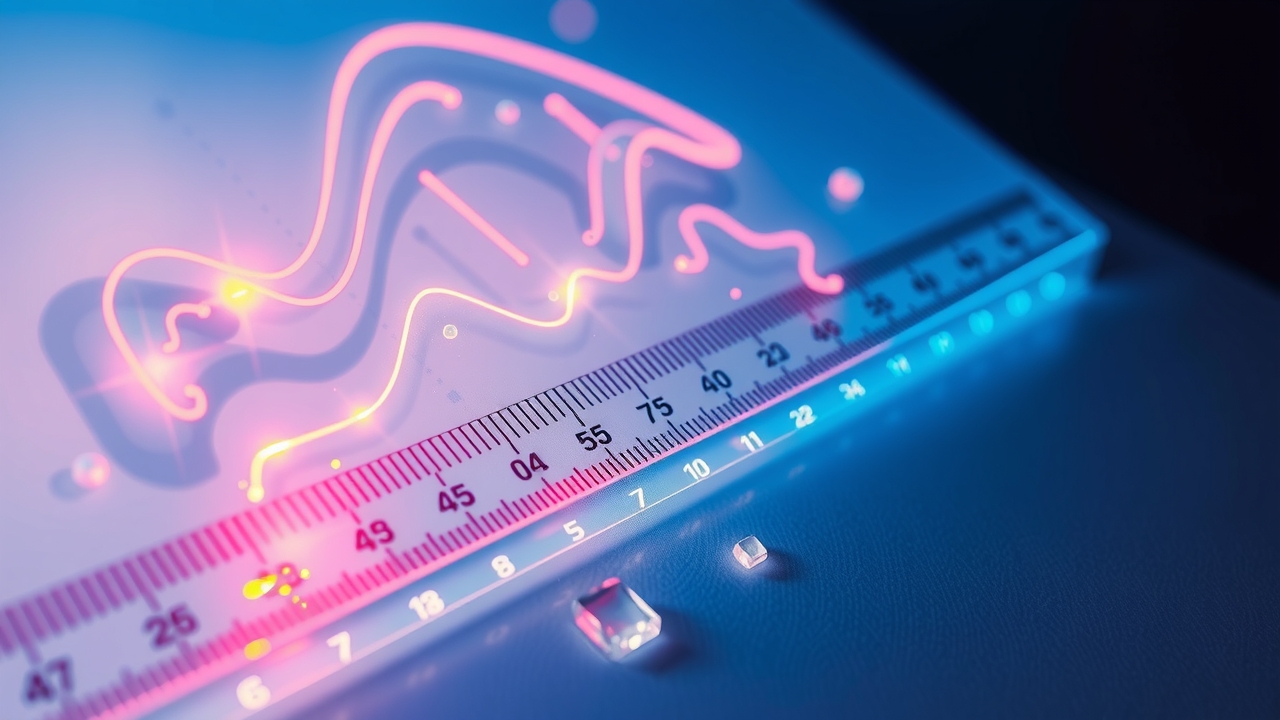
Even the NEJM is falling for AI fakes now, and the rulers are melting
If you thought peer review was keeping science pure, I have bad news: researchers are just prompt-engineering their way into major journals, and yes, they're getting caught because they don't know how numbers work on a ruler.
Remember that viral paper from a while back with the giant, anatomically impossible rat testicles? That was a good laugh. But we have officially crossed the line from "hilarious AI glitch" to "actually kind of terrifying."
Just recently, the highly prestigious New England Journal of Medicine had to retract a clinical case study. The issue? A researcher used generative AI to spruce up a medical photo, and the AI completely hallucinated the numbers on a ruler used for scale. It was a literal ruler with nonsensical, melting digits, and it somehow sailed right past peer review.
For decades, we trusted scientific images because they were incredibly hard to make. You needed a massive NASA budget, high-end lab equipment, or a specialized microscope. Now, anyone with a laptop can generate a gorgeous, professional-looking diagram of a new material or a space photo in three seconds.
And the detectors aren't keeping up. By the time a journal builds a tool to catch old AI, five new generators are already out there making perfect fakes that subtly distort scientific details while remaining totally believable.
Now we are entering a wild era where if an actual, real scientific photo doesn't fit someone's bias, they can just scream "AI fake!" and completely dismiss it.
Source: The Conversation
Comments
This is where the magic happens: AI reads your discussion and rewrites the article based on the most interesting comments. Each strong comment adds points to the meter below. Once the meter is full, the article updates live — no page reload needed.